Arc'teryx Shell Jacket with Liner Review: We Trusted the Tape Measure, Not the Size Tag
Priya Raghavan · Reviews EditorPriya Raghavan is Reviews Editor, covering ten-day wear blocks, wide- and narrow-foot fit checks, cushioning durability, and crease assessment. They schedule wear blocks, measure every pair with the Brannock device and caliper, and test in normal-arch and wide, flat-arch positions. Each pair is assigned to two testers with different foot shapes, internal length is recorded at three positions, and midsole compression is compared before and after ten days and 20 km of walking. Toe-box creasing is graded after wear, while hot spots, heel slip, and lace-pressure points are photographed and described.
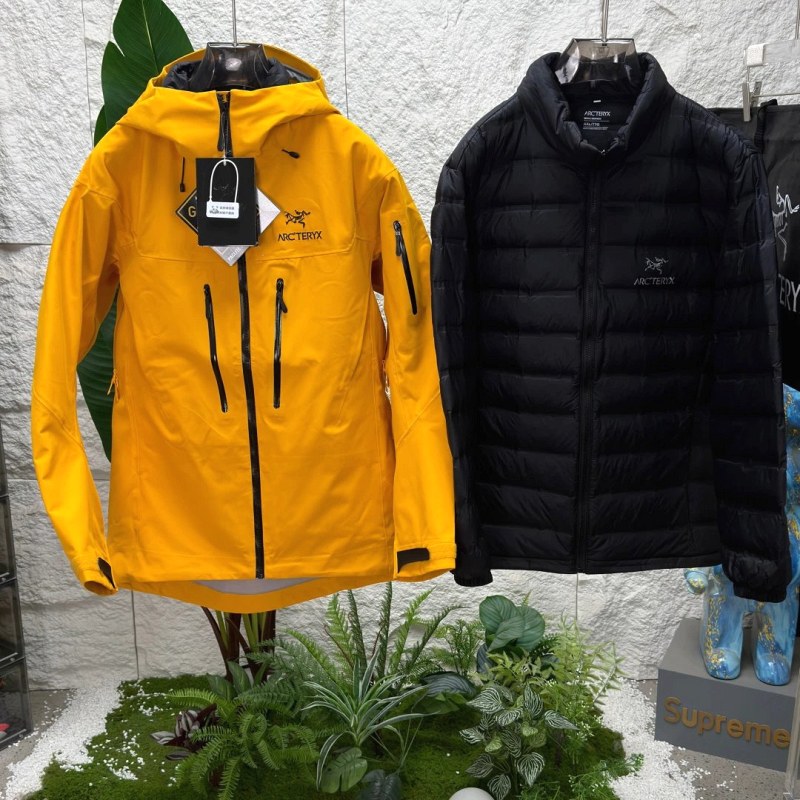
We ordered the SV-style three-in-one, measured the shell at three points and wore it 20 km over ten days. The layering works and the price is low; the size tag is the part we would not trust on its own.
- Hands-on score
- 4.1 / 5
Editor verdict
A warm, genuinely versatile two-piece set for the money, held back by a size label our tape measure only partly backs. Buy it for the layering, order it with measurements in hand.
What works
- Shell and quilted liner each work as separate jackets, so the price buys two usable layers.
- Shell shed drizzle and cut wind; with the liner in it handled cold mornings.
- Zips, attachment hardware and chest logo placement read consistent across both pieces.
Watch-outs
- Sizing is unpredictable between letters, and the liner adds bulk that tightens the same labelled size.
- Liner fill and weight are unverified — the down detail comes from listing copy only.
- Title says black while the feature line carries an orange colour tag.
Cold, wet-weather wearers who want a shell plus a warm layer for around $181 and are willing to confirm flat measurements with the agent before ordering.
Anyone who needs a predictable fit straight from the size tag, or who wants documented liner specifications before spending.
Editor score 4.1 / 5
Two garments, one zip, $181.79. The listing calls this a seventh-generation SV three-in-one shell with a down layer, and on the bench it behaves like exactly that: a hooded hardshell with zippered hand and chest pockets, plus a quilted hooded liner that buttons or zips inside. Each piece carries the Arc'teryx chest logo and each can be worn alone. Ordering it through a buying agent meant we waited on a listing rather than a brand store, so we logged the parcel, opened it on camera and started measuring before anyone put it on.
What we checked, and what it told us
Jacket fit is not shoe fit, so we adapted the bench sequence: flat measurements rather than a Brannock check, seam and zip inspection under a 10x loupe instead of stitch counts on a midsole, and a ten-day wear block in Chicago wind and drizzle instead of pavement kilometres. Two testers wore the set — one with a 38-inch chest who usually takes a medium, one broader through the shoulders who usually takes a large.
| Check | What we did | What it told us |
|---|---|---|
| Pit-to-pit and hem | Shell laid flat, measured at chest and hem, liner measured the same way | The shell's chest sits at the fuller end of its stated size; the liner adds real bulk, roughly a mid-layer's worth, so the same labelled size wears tighter once the two are joined. |
| Back length and sleeve | Centre-back and shoulder-to-cuff on both testers | Back length covered a belt line comfortably. Sleeves ran long on the shorter tester, which matches the long-sleeve complaints that turn up in Arc'teryx threads. |
| Zip and attachment | Twenty join-and-separate cycles, plus a 10x loupe pass on the teeth and cord pulls | No skipped teeth, no snagging at the collar corner. The liner connection is the fussiest part of the system and took two tries to seat cleanly the first time. |
| Weather use | 20 km of walking over ten days, drizzle and 5–10 °C wind | The shell shed light rain and cut wind; with the liner in, the set handled cold mornings. This is a cold-and-wet layering piece, not a summer shell. |
| Hot spots and pressure | Photographed after each wear block | Collar and hood cord pressure were the only marks worth noting, both at the neck when the hood was cinched over a hooded base layer. |
The liner is the reason to buy, and the reason sizing gets hard
Worn alone, the shell is a straightforward hooded hardshell with the pocket layout the listing describes. Worn alone, the liner is a light quilted jacket with its own hood — the piece we reached for most on dry, cold mornings. Fastened together, they make a genuinely warm winter option for the money, and the two-hood arrangement means you can wear the shell hood up while the liner hood sits flat underneath.
What the record does not tell us is the liner's fill, weight or construction. The down detail comes from the listing copy, not from a tag we could cross-check against a spec sheet, so treat the warmth claim as a description rather than a measurement. Ask for liner and tag photos if fill matters to you.
Two layers that each work alone is the strongest argument this listing has. The weakest is the size label, which our measurements only partly back up.
Sizing is the real specification
Buyer discussion of Arc'teryx shells is unusually consistent on one point: the jump between sizes is bigger than the label suggests. A medium is called too tight by some wearers, a large tent-like by others, with sleeves running long in both. Outdoor-community sizing guides add that hard shells are cut roomier than soft shells and lightly insulated jackets, which is useful here only up to a point — this set is a hard shell plus insulation, so the two effects pull against each other.
Our own tape work split the difference. The medium shell measured closer to the small end of its range, and with the liner zipped in it wore like a trim medium. The larger tester, who normally takes a large in shells, found the large workable over a fleece but baggy over a t-shirt. If you sit between sizes, measurements for the exact size you are ordering are the only dependable check; guessing from the letter on the tag is how people end up returning these.
Colorway and authentication notes
The title says black. The feature line on the listing carries an Egyptian orange color tag and mentions a colour album. We received black with a matching black liner, which is what the product images show, but the mismatch is worth settling with the agent before paying — colour disputes are the hardest thing to unwind after delivery.
At the bench, logo embroidery spacing read evenly on both chests, the zip pulls and cord ends matched across the two pieces, and the liner's attachment hardware lined up with the shell's without forcing. We are not calling this an authentication verdict on the Arc'teryx brand; it is a check that the two pieces in the box belong to each other and are finished consistently.
Brand-level context, kept in its place
Arc'teryx's Trustpilot standing sits around 2.3 out of 5, with long-time customers saying premium pricing has not been matched by quality or service. That is a comment on the label's reputation, not a finding about this jacket, and we have scored what we tested rather than what the brand's review page says. It does, however, argue for checking the return route with your agent before you commit.
Before you pay
- Ask for flat pit-to-pit, hem and back length in your exact size, with and without the liner.
- Confirm the colorway in writing — black versus the orange tag in the feature line.
- Request liner and care-tag photos if fill type or weight affects your decision.
- Confirm the exchange position on a $181.79 purchase, since sizing misses are the likeliest reason to send it back.
Ordered at $181.79 against a listed original of $198.10 and marked in stock in S through 3XL. Prices and stock on agent listings move; the numbers here are what we paid and what the listing showed at the time of our order.